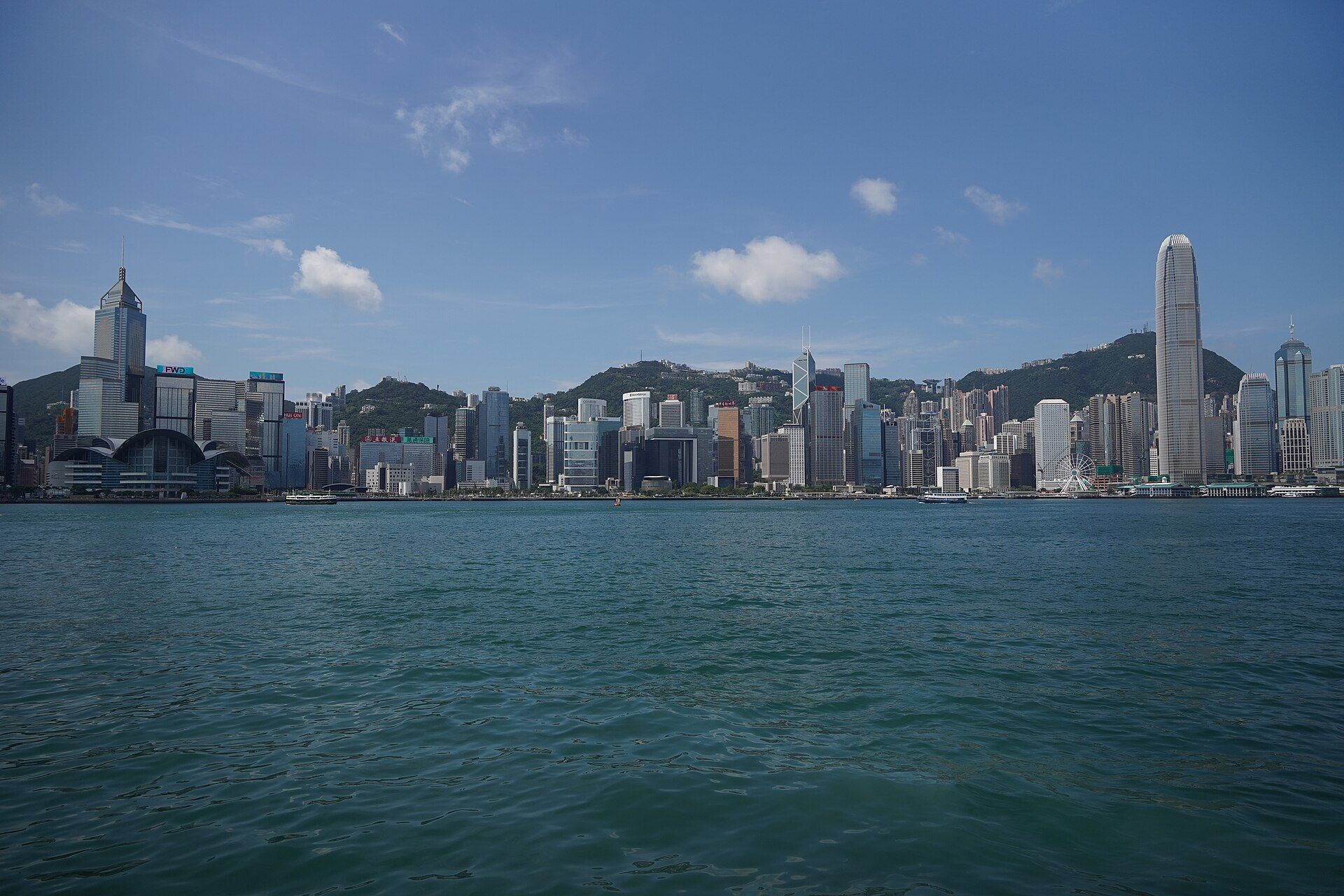
240-Hour Visa-Free Transit via Guangzhou: Rules and Ports
Last checked October 19, 2026 against official sources. How we check

Quick answer
With a passport from one of 57 eligible countries and an onward trip to a third country or region, you can stay in mainland China visa-free for up to 240 hours. Hong Kong, Macao and Taiwan count as onward destinations. In Guangdong you can enter at 10 ports, including Guangzhou Baiyun International Airport, and move around the whole province.
Key facts
| Eligible nationalities | 57 countries (check yours in our checker) |
|---|---|
| Maximum stay | 240 hours |
| Entry ports in Guangdong | 10, including Guangzhou Baiyun International Airport |
| Onward stop | Hong Kong, Macao and Taiwan count as onward destinations |
| Where you can go | 240-hour transit: the permitted area covers 24 provinces. In Guangdong the whole province is permitted, and you may leave from any open port in Guangdong. Work, study and journalism are not allowed. |
The rule in one line
You have to be on your way somewhere else. The trip goes from one place, through mainland China, to a different country or region.
- London → Guangzhou → Bangkok: works.
- London → Guangzhou → London: does not work. You are going back to where you came from.
It does not matter whether you fly, take a train or arrive by ship, as long as the onward leg is booked with a confirmed date and seat.
What you need
- An ordinary passport from an eligible country. The checker tells you in a few seconds.
- An onward ticket to a third country or region, with a confirmed date and seat.
- The arrival card, which you can fill in online before you land. See our arrival card guide.
There is no form to send in advance and no fee.
At the airport or port
- At check-in, the airline may ask to see your onward ticket. Have it ready on your phone or on paper.
- On the way, fill in the arrival card online if you have not already.
- At immigration, show your passport and onward ticket, and say you are using visa-free transit.
- Keep anything the officer gives you, and note the date and time you entered. Your transit stay is counted from your entry.
The official notices do not say where the transit desks are inside Baiyun Airport. Follow the signs for international arrivals and ask an officer or your airline if you cannot find the right line. Our Baiyun terminals guide shows which terminal your flight uses.
 Photo: 颐园居 · CC BY-SA 4.0 Details
Where you can go
In Guangdong the whole province is open to you: Guangzhou, Shenzhen, Foshan, Zhuhai and everywhere in between. You do not have to leave from the port you came in through; any open port in Guangdong will do. Other provinces in the scheme are open too, and you can cross between them; Key facts gives the count and the official notice in our sources names them.
What the stay is for matters too. Sightseeing, business meetings and visiting family are fine. Working, studying or reporting are not.
Using Hong Kong as your onward stop
This is the question we see most on forums, usually from people planning Guangzhou → Hong Kong → home. Hong Kong counts as a separate region for this scheme (see Key facts), so a trip that ends in Hong Kong qualifies. Hong Kong’s MTR spells this out on its high-speed rail pages; the immigration authority’s own wording is “third country or region”.
Once you cross into Hong Kong, your transit stay is over. Coming back into mainland China is a new entry: you need a visa, or to qualify for visa-free entry again.
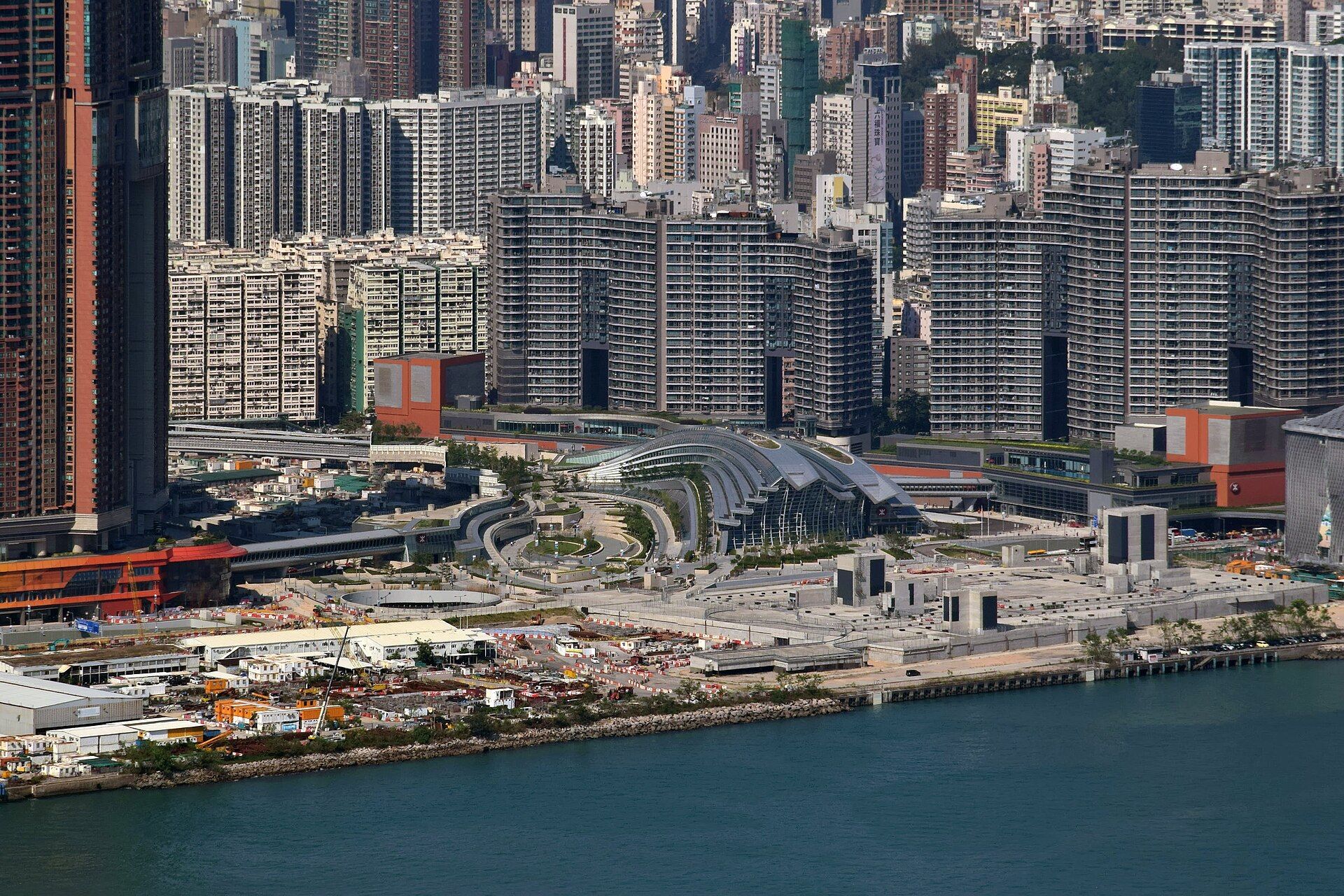
Entering at West Kowloon
Older forum answers say West Kowloon is not a transit port. That advice is out of date: it is on the current official list of Guangdong ports. So this route works: fly into Hong Kong, take the high-speed train from West Kowloon into mainland China, spend a few days in Guangzhou, then fly on to Bangkok from Baiyun Airport.
The border check for that train happens inside West Kowloon Station, before you board. Leave extra time for it.
If you do not qualify
- Check whether your passport gets visa-free entry instead: see our 30-day visa-free guide.
- US passport holders have their own guide: China visa for US citizens.
- Otherwise, apply for a visa at the Chinese embassy or visa centre in your country.
Traps and how to avoid them
- Booking a round trip
A ticket back to where you flew in from does not count. The onward ticket has to take you to a third country or region.
- No confirmed onward ticket
An open-dated ticket, or a plan to buy one later, is not enough. You need a confirmed date and seat when you arrive.
- Wandering outside the permitted area
You can travel freely inside the provinces the scheme covers, but going beyond them breaks the transit rules.
- Trusting old forum answers
The rules changed recently. Older posts quote shorter transit limits or say West Kowloon is not allowed. Check the date on any advice you read.
- Cutting it fine on the way out
The limit is counted in hours, so look at your departure time as well as the date, and leave a margin for delays.
FAQ
Does Hong Kong count as a third country or region?
Yes. Hong Kong, Macao and Taiwan count as onward destinations. A trip from Tokyo to Guangzhou and on to Hong Kong qualifies.
Can I enter at West Kowloon Station?
West Kowloon Station in Hong Kong (Guangzhou–Shenzhen–Hong Kong high-speed rail) is one of the Guangdong ports for 240-hour transit, so you can enter there visa-free if you meet the transit rules.
Can I go to Shenzhen or Zhuhai, and leave from there?
240-hour transit: the permitted area covers 24 provinces. In Guangdong the whole province is permitted, and you may leave from any open port in Guangdong. Work, study and journalism are not allowed.
Do I need to apply in advance?
No. Bring an ordinary passport and an onward ticket with a confirmed date and seat, and ask for visa-free transit at immigration. You can fill in the arrival card online before you travel, free, on the NIA website, 12367 app or WeChat and Alipay mini programs.
Which passports qualify?
Nationals of 57 countries. Our visa-free checker tells you if yours is one of them, and whether you qualify for 30-day visa-free entry instead.
What exactly does the rule say?
Hold an ordinary passport and an onward ticket with a confirmed date and seat to a third country or region (not back to where you came from; Hong Kong, Macao and Taiwan count as eligible onward destinations). Enter through one of the 65 designated ports, stay inside the permitted areas, and leave within 240 hours.
Sources
- Ministry of Foreign Affairs: FAQs on Visa-free Entry into China
- Ministry of Foreign Affairs: List of mutual visa exemption agreements
- National Immigration Administration: Visa-free transit policy (57 countries, 65 ports)
- National Immigration Administration: 240-hour visa-free transit policy interpretation
- National Immigration Administration: Kyrgyzstan and Vietnam added to 240-hour transit and Hainan visa-free entry
- MTR High Speed Rail: 240-hour visa-free transit (Hong Kong, Macao and Taiwan as onward destinations)
- Consulate General of China in Barcelona: visa-free measures summary (online arrival card, Hainan)
- National Immigration Administration: NIA Launches 10 New Measures to Support Expansion of Opening-up (online arrival card), November 3, 2025
- National Immigration Administration: Beware of Fraudulent Websites for Arrival Card Filling (free of charge), December 5, 2025
- Shanghai government (source: National Immigration Administration): China launches online arrival card for international travelers, with the seven exempt groups, November 20, 2025
- Consulate General of China in Toronto: visa-exempt cases (Greater Bay Area and Hainan tour groups, cruise groups)
- Xinhua: China extends visa-free entry for Russian ordinary-passport holders to December 31, 2027 (May 20, 2026, in Chinese)
- Embassy of China in Japan: notice extending unilateral visa-free entry to December 31, 2026 (November 7, 2025, in Chinese)
- Xinhua: China–Thailand mutual visa exemption in force, 30 days per entry and 90 days in any 180 days (March 2, 2024, in Chinese)
- Xinhua: China–Thailand agreement unaffected by Thailand's September 15, 2026 changes (September 2, 2026, in Chinese)
Spotted something out of date? Tell us and we will check it.