Cantonese Tea Culture: Yum Cha Etiquette and Teahouses
Last checked October 19, 2026 against official sources. How we check

Quick answer
Yum cha (饮茶) means “drinking tea”: a slow Guangzhou meal of tea and small dishes. Tap two fingers on the table to thank whoever pours, and open the pot lid when it is empty. Since May 1, 2026, a morning-tea restaurant that charges for tea must offer a choice of teas, such as black, green, oolong, pu'er and chrysanthemum.
Key facts
| Price | Tea charge reported at ¥10–20 per person by a travel site; the city rule only requires it to be priced clearly |
|---|---|
| Opening hours | Morning tea roughly 04:00–11:00; evening tea roughly 17:00 to 01:00 or 02:00 (China Daily government channel) |
| Finger tap | Index and middle finger on the table, to thank the person pouring |
| Tea choice | Black, green, oolong, pu'er, chrysanthemum if a tea fee is charged |
| Caffeine | Real tea leaves have it; chrysanthemum tea does not come from tea leaves |
What is yum cha, and how is it different from dim sum?
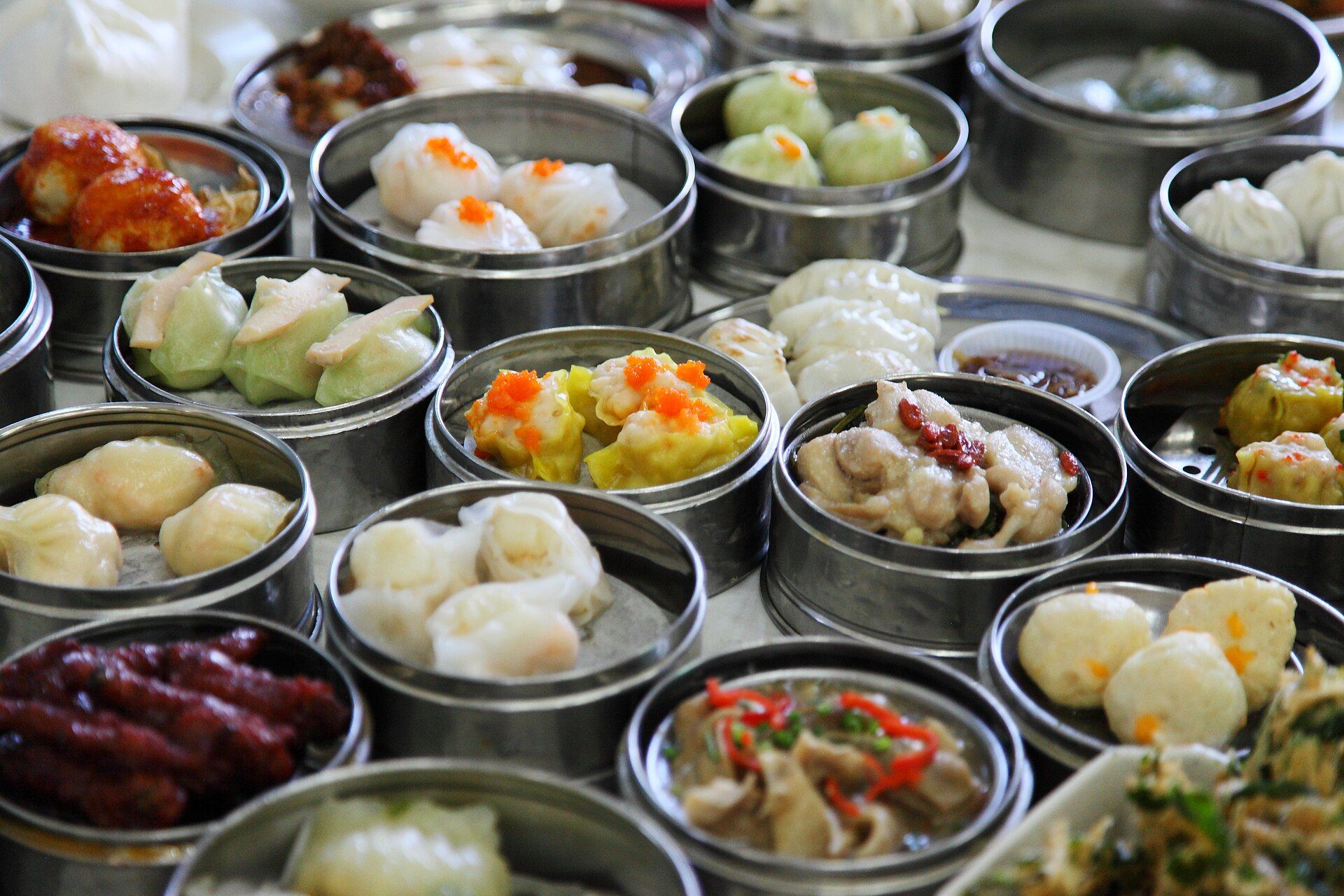
Yum cha (饮茶) is the habit; dim sum (点心) is the food. The name means “drinking tea”. China Daily’s government channel describes it as eating small servings of different foods while sipping tea, and says Guangzhou locals also call it 叹茶, “enjoying tea”. It is a way to spend a morning with family or friends, and teahouses also host business meetings.
This guide is about the tea, the teahouse and the manners. For ordering dishes, trolleys, QR menus and prices, read the dim sum guide.
Travel China, a site run under the Ministry of Culture and Tourism, says morning tea began as something very small: one bowl of tea with two dim sum. Over time the food became the focus and the tea moved into the background. That history explains why the tea is now often the part visitors forget to think about.
What time can you drink tea in Guangzhou?
China Daily’s government channel gives these hours for teahouses:
| Tea | Chinese | Typical hours |
|---|---|---|
| Morning tea | 早茶 | About 04:00–11:00 |
| Evening tea | 夜茶 | About 17:00 to 01:00 or 02:00; some places stay open all night |
Wikipedia adds afternoon tea (下午茶) and says some restaurants in Guangdong serve dim sum at dinner and late at night, though most still limit it to breakfast and lunch. Hours differ by restaurant, so check the listing in your map app. China Daily says mornings and holidays are the busiest times.
What types of tea place are there?
Three kinds of place are easy to confuse. The Chinese on the sign tells you which you are in.
| Type | Chinese on the sign | What to expect |
|---|---|---|
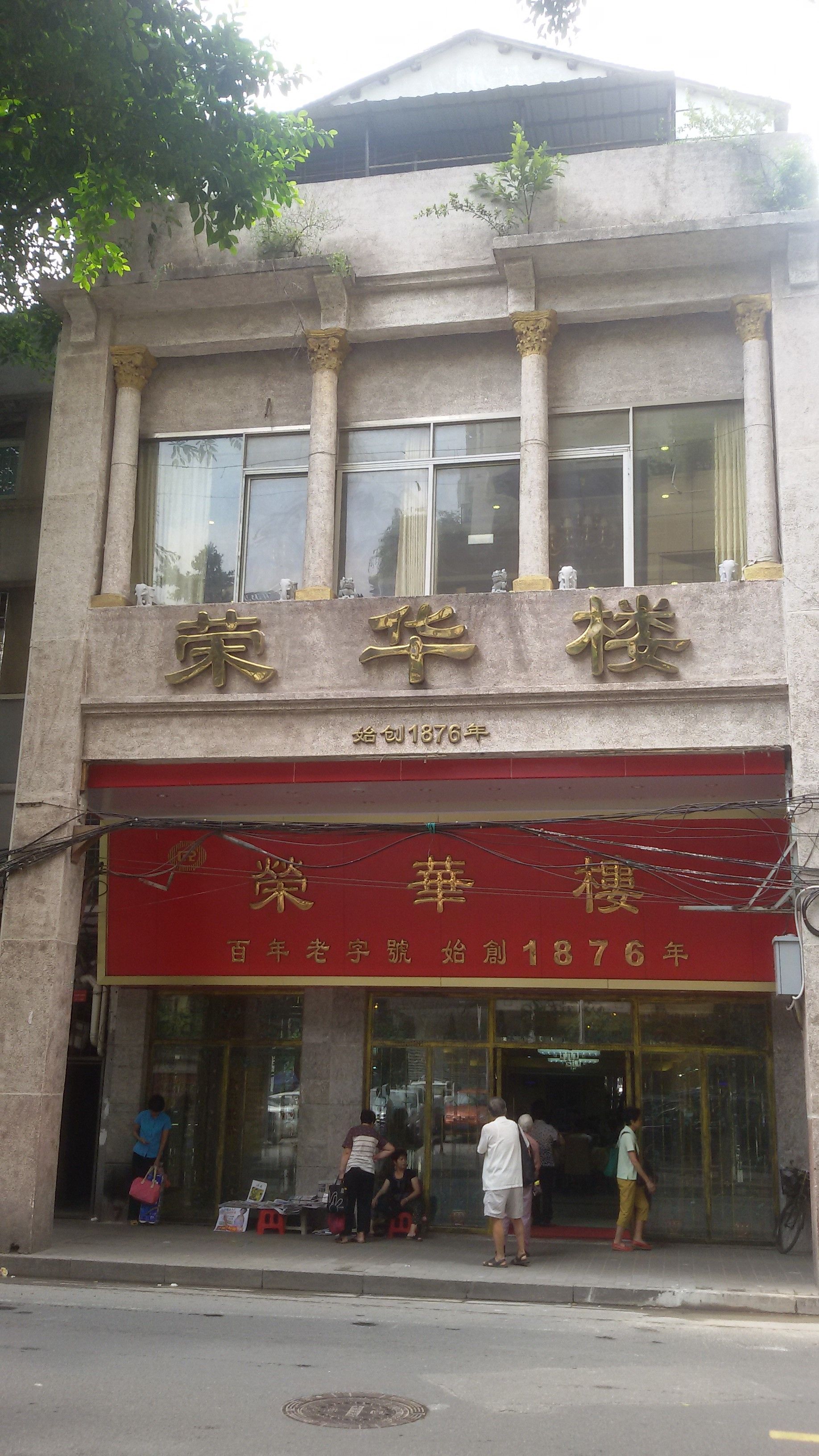
| Teahouse | 茶楼 | Pots of loose tea, dim sum, a slow meal. Many time-honoured Guangzhou restaurants began as teahouses, per China Daily |
| Restaurant | 酒家 or 酒楼 | Dim sum at breakfast and lunch, full Cantonese dinner later |
| Cha chaan teng | 茶餐厅 | Casual café-diner. Inexpensive black tea or milk tea, pineapple buns, wonton noodles and set meals, per Wikipedia |
Travel China names Tao Tao Ju (陶陶居), at 20 Dishifu Road in Liwan, as a century-old teahouse that helps preserve the tradition; it dates its founding to the sixth year of the Guangxu reign.
Which teas will you be offered?
The teas named in an official’s interview about the rule are black (红茶), green (绿茶), oolong (乌龙茶), pu’er (普洱茶) and chrysanthemum (菊花茶), and the list ends with 等 (“and so on”). Only the last is not made from tea leaves. Wikipedia says green, oolong, black and post-fermented teas such as pu’er all come from the leaves of Camellia sinensis, and that tea contains caffeine, roughly 30 to 90 mg per 250 ml cup depending on type and brewing. Chrysanthemum tea is made from dried flowers steeped in hot water, so it is a herbal drink.
Say the Chinese name and point. For a chrysanthemum pot, ask for 菊花茶 (júhuā chá). See the Chinese phrases guide for more to show on your phone. If you want to buy leaves to take home, the Fangcun tea market guide covers where.
What is the tea charge, and what changed in 2026?
The tea charge (茶位费, cháwèifèi) is a per-person fee on the bill. China Navigators, a travel site, says tea is charged separately, usually ¥10 to ¥20 per person.
The Guangzhou Morning Tea Heritage Protection Regulation (广州早茶传承保护规定) took effect on May 1, 2026. It was passed by the city’s People’s Congress Standing Committee on January 21, 2026 and approved by the Guangdong committee on March 26, 2026, per a Yangcheng Evening News interview with the Guangzhou People’s Congress legal affairs office, republished on gmw.cn. For a diner, the main points are:
- A morning-tea restaurant that charges a tea fee must offer a choice of teas, such as black, green, oolong, pu’er and chrysanthemum.
- Every charge must be clearly priced, with its method of calculation. Prices on the menu, price tags and ordering apps must match.
- Menus must say whether a morning-tea food is 传统方式现场制作 (made on site by traditional methods) or 非传统方式制作 (made another way).
The interview does not mention a price cap. No published figure for the fee after May 1 was available when this guide was checked, so treat ¥10–20 as a guide from before the rule, and read the price on the menu. If the menu shows no tea choice and charges a fee, ask the staff.
How do you pour, thank and ask for more?
None of this is law. China Daily says there are no strict rules, and food writers disagree on details. These are the points that most sources share, labelled by how well they are sourced.
- Pour for others first. Wikipedia says to fill others’ cups before your own, and that younger people traditionally serve elders first. It also notes a Cantonese saying that a full cup of tea is stingy to a guest, and suggests filling cups to about 80%.
- Tap to say thanks. When someone refills your cup, tap the index and middle fingers of one hand on the table. China Daily describes this as thanks to the host. Wikipedia calls it the “finger kowtow” and links it to a story about the Qianlong Emperor travelling in disguise. Some accounts say three fingers, and travel writers give other rules about one finger or a fist depending on age. Those extra rules come from lifestyle sites and are not confirmed by an official source.
- Open the lid when the pot is empty. Wikipedia says to open the lid of a metal pot, or slide the cover of a ceramic one, and staff will refill it. A few travel writers describe tilting the lid or setting it on its side. The idea is the same: leave the lid visibly open.
- Rinsing cups is normal. Some food writers say it is common to rinse cups and chopsticks with hot tea or water. Whether you do it is your choice, and nobody will think less of you either way.
How do you avoid paying more than you meant to?
- Ask at the table whether the tea charge is per person and how much it is, using the written Chinese if you need it: 茶位费多少钱一位?
- Check the menu for the 传统方式现场制作 label if freshness matters to you, because the same dish may carry two prices under the rule.
- Have Alipay or WeChat Pay ready. The payment guide covers setup for foreign cards.
- For other places to eat after tea, see the Guangzhou food guide.
This guide was written from official and published sources. Hours, fees and rules can change, so check posted prices where you sit.
Traps and how to avoid them
- Being surprised by the tea charge on the bill
Tea is charged per person on top of the dishes; one travel guide says usually ¥10 to ¥20. Ask the staff what it includes and how much it is before you sit.
- Ordering a “teahouse” and getting a coffee-shop menu
A cha chaan teng (茶餐厅) is a casual café-diner that serves cheap black tea or milk tea with Western-style dishes. For pots of loose tea and dim sum, look for 茶楼 (teahouse) or 酒家 (restaurant) on the sign.
- Pouring your own cup first
Pour for others before yourself. Younger people traditionally serve older ones first.
FAQ
What does yum cha mean in Chinese?
饮茶 literally means “drinking tea”. China Daily's government channel describes it as eating small servings of different foods while sipping tea, also called going out for dim sum.
How do I say thank you when someone pours tea?
Tap the index and middle fingers of one hand on the table. China Daily describes this as a common gesture of thanks to the host who refills your cup. Sources give different finger counts, and nobody expects exactness from a visitor.
Is Chinese tea caffeinated?
Tea made from Camellia sinensis leaves, which covers green, oolong, black and pu'er, contains caffeine, roughly 30 to 90 mg per 250 ml cup according to Wikipedia. Chrysanthemum tea is made from dried flowers, so it is a herbal tea.
How do I ask for more hot water?
Open the pot lid, or slide the cover aside on a ceramic pot. Wikipedia says staff then refill it. Travel writers also mention tilting the lid or setting it upside down, so accounts differ.
Is the tea charge legal?
The Guangzhou Morning Tea Heritage Protection Regulation, in force May 1, 2026, covers it: a morning-tea restaurant that charges it must offer a choice of teas and show every charge clearly.
Sources
- China Daily (government channel): Yum cha
- Travel China (Ministry of Culture and Tourism): Cantonese morning tea
- Yangcheng Evening News interview with the Guangzhou People's Congress legal affairs office, republished on gmw.cn, April 2, 2026 (Chinese)
- Wikipedia: Yum cha (etiquette, lid signal, tea hours)
- Wikipedia: Tea (caffeine content, tea types)
- Wikipedia: Chrysanthemum tea
- Wikipedia: Cha chaan teng
- China Navigators: Dim Sum Guide for Travelers (tea charge)
Spotted something out of date? Tell us and we will check it.