Guangzhou Street Food: Cheung Fun, Wonton, Claypot Rice
Last checked October 19, 2026 against official sources. How we check

Quick answer
Guangzhou's street food is mostly small shops and night-market stalls: 肠粉 (steamed rice rolls), 云吞面 (wonton noodles), 煲仔饭 (claypot rice) and 牛杂 (beef offal). A commercial guide lists wonton noodles at ¥15 to ¥28 and beef offal at ¥15 to ¥35. Pay by Alipay or WeChat Pay, because many places use table QR codes.
Key facts
| Price | Wonton noodles ¥15–28, beef offal ¥15–35 (Cities Insider, a commercial guide, 2026 page) |
|---|---|
| Pay | Scan the table QR code with Alipay or WeChat Pay |
| Order | Point, or show the Chinese dish name from this page |
| Allergy | Show a Chinese allergy card; ask about oyster sauce, lard and dried shrimp |
What should you eat from a Guangzhou street stall?
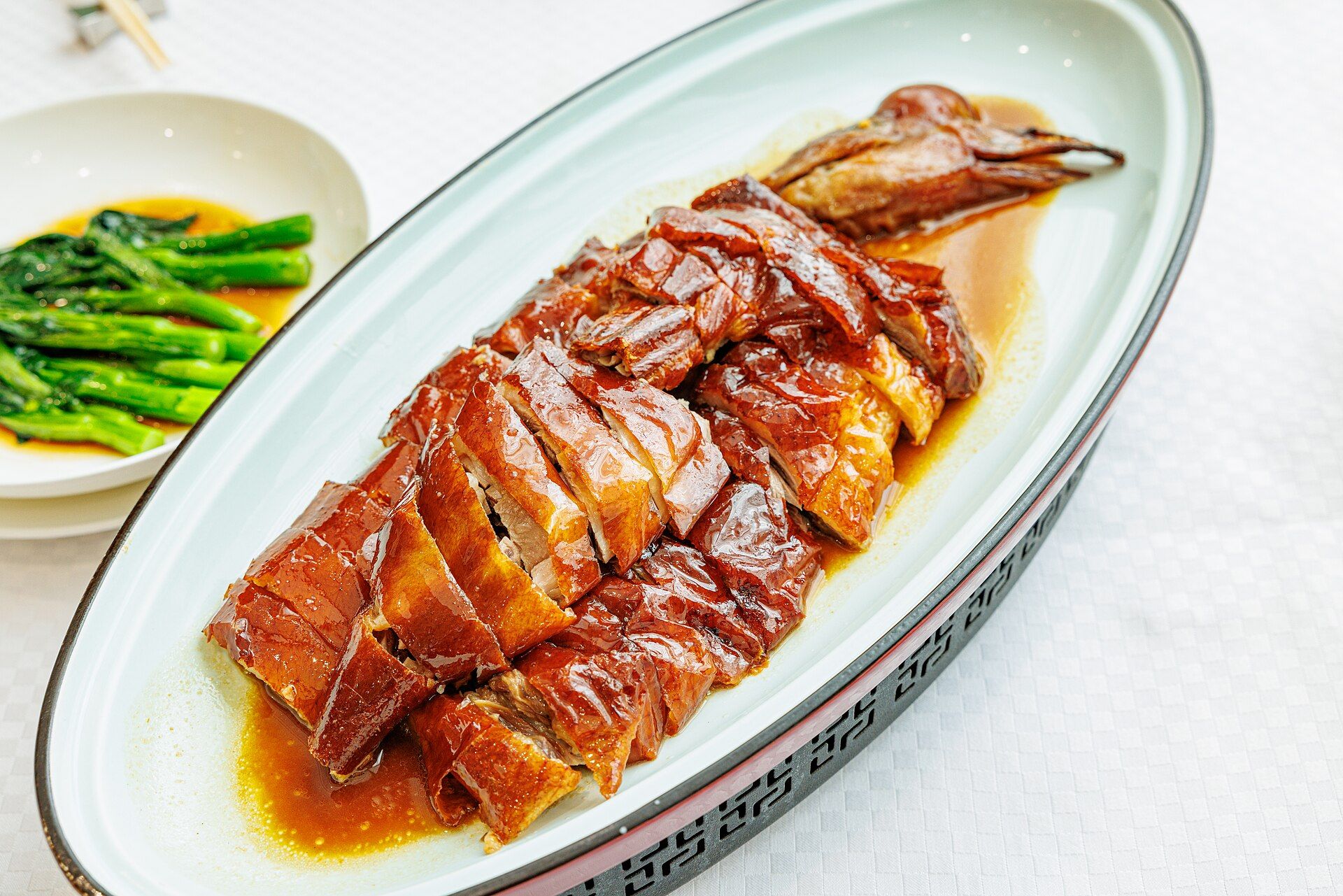
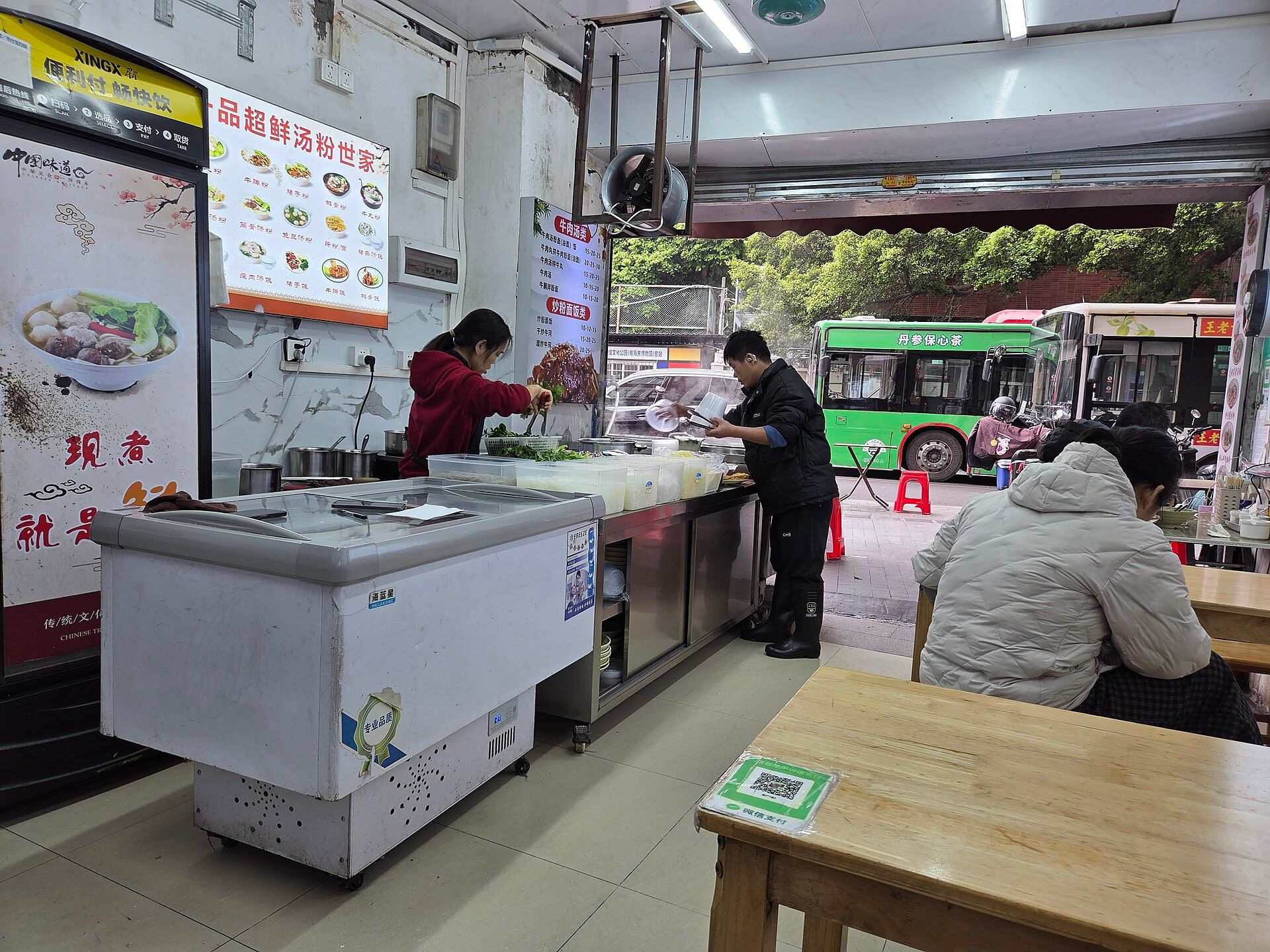
Most street food here is eaten in small open-fronted shops and at night-market stalls, not from carts. These are the dishes that guides and local-media pages name most often. Show the Chinese on your phone and point.
| Dish | Chinese | What it is | Reported price |
|---|---|---|---|
| Rice noodle rolls (cheung fun) | 肠粉 | Steamed to order, filled with shrimp, beef, pork or egg, and dressed with light soy sauce | None dated |
| Wonton noodles | 云吞面 | Springy egg noodles in a seafood-and-pork broth, with shrimp wontons | ¥15–28 (commercial guide) |
| Claypot rice | 煲仔饭 | Rice cooked to order in a clay pot with toppings such as cured sausage, chicken, mushrooms or salted fish | About ¥10 at one shop in 2019 |
| Beef offal | 牛杂 | Braised beef brisket and offal, found in neighbourhood shops and markets | ¥15–35 (commercial guide) |
| Congee | 粥 | Rice porridge with sliced fish, pork liver, preserved egg or lean pork | Chicken congee ¥16 at one shop in 2019 |
| Fried radish cake | 煎萝卜糕 | Pan-fried savoury cake | None dated |
| Stuffed tofu and vegetables | 酿豆腐 | Fillings stuffed into tofu or vegetables | None dated |
| Black sesame soup | 芝麻糊 | Sweet soup of hand-crushed sesame | None dated |
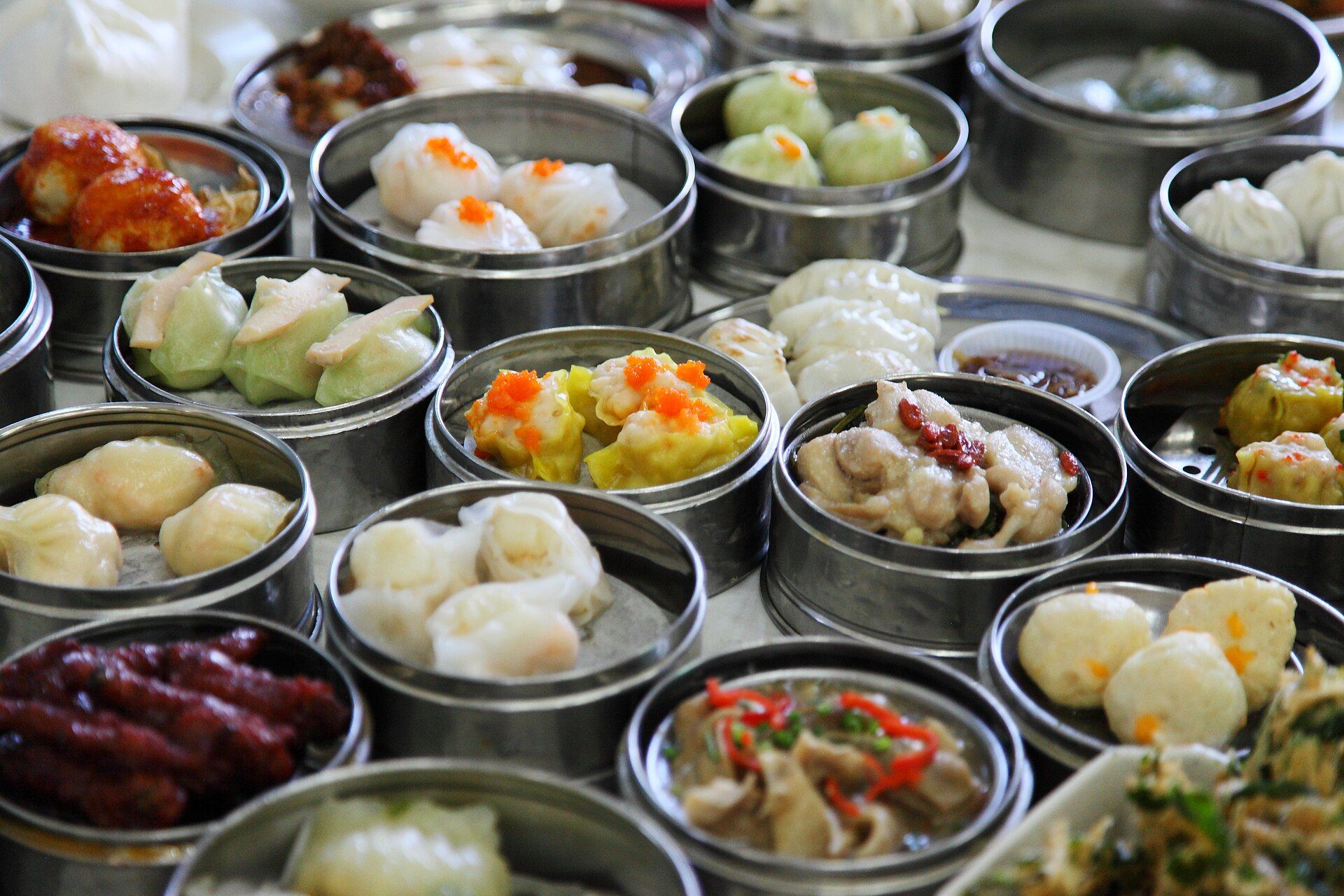
Most dish descriptions come from the Wander in China food guide (the sesame soup detail is from Goldthread), which also notes claypot rice takes extra waiting time. Rice noodle rolls, wonton noodles and claypot rice are also on the dim sum menu at teahouses, but the shops below are cheaper and faster. The Goldthread piece on Xihua Road (2019) adds three specific dishes:
- 啫啫煲 (jeje pot, clay pot noodle rolls): the pot is covered for 90 seconds so the rolls absorb the sauce.
- 牛三星 (ngau sam sing, “beef three stars”): beef heart, liver and tenderloin, blanched and served in an ox-bone broth.
- Egg noodles made in the shop from flour, duck eggs and alkaline water.
Where do you find it?
Xihua Road, Liwan (西华路)
Goldthread named several shops here in July 2019: 芳记小食店 (cheung fun, 280 Xihua Road), 兴兴旺面家 (wonton noodles, 356 Xihua Road), 珍珍小食店 (jeje pot, 183 Xihua Road) and 芝麻糊世家 (sesame soup, 383 Xihua Road). The beef offal shop it mentions, 牛佬牛杂汤, is at 135 Jinhua Straight Street (花直街), not on Xihua Road. A commercial guide says Ximenkou station on Line 1 is the nearest metro stop. Shop names and numbers are from 2019, so confirm each one on a map app before you walk there.
Tongfu Road, Haizhu (同福路)
Newsgd’s July 2019 article describes a 93-year-old arcade street with small restaurants and dessert shops, reached by Exit D of the Second Workers’ Cultural Palace metro station. It names Sen Ji Eatery for claypot rice (about ¥10), Xiong Ji for chicken congee (¥16, open to 02:00) and Meiziwei Snack for old-style snacks. These are 2019 prices and hours. See the herbal tea and sweet soup guide for the dessert shops on the same road.
Yongtai Food Street, Baiyun (永泰美食街)
The Baiyun District government page, dated March 16, 2026, describes it as a local landmark for inexpensive snacks and meals, with dim sum, braised beef offal, snail noodles, grilled oysters and homemade desserts, open from late afternoon to midnight. No street address or price was available in the sources checked, so search for it by name on your map app.
Near Beijing Road
For more evening food nearby, see the Beijing Road pedestrian street guide.
Where to be careful
A Reddit poster in June 2026 said to avoid eating in tourist areas and luxury shopping districts such as Zhujiang New Town, Canton Tower and the large Tianhe malls, where prices are often two to three times what locals pay. This is one person’s view and no price survey backs it, but it matches the guide advice above to look a few streets away from the main walking route. For proper restaurants and stars, see the Michelin guide and the food guide.
How do you order and pay?
- Look for a QR code on the table. A commercial guide says most places have one, which you scan with WeChat or Alipay to open a menu. It estimates about 90% of such menus are Chinese-only.
- Use a camera translation app, or just show the dish name. Saving the Chinese names is faster than translating, says Wander in China.
- Say what to leave out. Wander in China suggests 请不要放辣椒 (no chilli), 请不要放香菜 (no coriander) and 请帮我结账 (the bill, please).
- Pay in the app or at the till. Budget guides advise setting up WeChat Pay or Alipay before you arrive. The payment guide shows how to link a foreign card.
- Ask before ordering by weight. For seafood sold by weight, confirm the price per unit and the weight before cooking.
Bring your phone with the Chinese dish name open, since a shop owner can read it faster than you can pronounce it. More phrases are in the Chinese phrases guide.
What about hygiene and allergies?
This is general advice, not a guarantee for any shop.
- Hygiene: The World Health Organization’s five keys to safer food are: keep things clean, keep raw and cooked food apart, cook thoroughly, hold food at safe temperatures and use safe water. In practice, pick a busy shop where food is cooked to order and served hot, and avoid anything that has been sitting out.
- Allergens: Wander in China lists shellfish, fish, peanuts, sesame, soy, wheat and pork as common allergens. Kitchens share workspaces, so cross-contact is hard to avoid. Carry a Chinese allergy card and ask whether sauces, stock, oyster sauce, lard or dried shrimp are used.
- Strict diets: Buddhist vegetarian restaurants are the clearest option. See the halal and vegetarian guide.
If you feel unwell after a meal, the hospitals guide explains where to go. Prices, shops and hours here come from published pages and may have changed.
Addresses in Chinese
- Xihua Road food street 西华路广州市荔湾区西华路Goldthread (2019) lists several small shops here; Ximenkou station on Line 1 per a commercial guide
Traps and how to avoid them
- Eating in tourist districts and luxury malls
A Reddit poster in June 2026 advised avoiding Zhujiang New Town, Canton Tower and the big Tianhe malls, where prices are often two to three times what locals pay. That is one forum post, but the advice is easy to follow: walk a few streets away.
- Showing up with only cash
A commercial guide says table QR codes are the norm and cash is rarely handed over, and a budget guide says some small stalls no longer take cash. Set up a mobile wallet first.
- Assuming a dish has no pork, shellfish or lard
Congee, noodle soups, rice rolls and claypot rice are often made with pork, shrimp or stock you cannot see. Ask in Chinese, and use the allergy advice below.
FAQ
How much does Guangzhou street food cost?
Cities Insider, a commercial guide, lists wonton noodles at ¥15 to ¥28 and beef offal stew at ¥15 to ¥35. A budget guide gives ¥12 to ¥18 for wonton noodle soup. No official price list exists, and the figures come from a 2026 commercial page.
Where is the best claypot rice?
No source here can rank shops. A 2019 Newsgd article about Tongfu Road named Sen Ji Eatery for claypot rice at about ¥10; its prices and hours are from 2019, so check before you go.
Is Guangzhou street food safe for tourists?
Food hygiene varies by place. General advice from the World Health Organization is to cook food thoroughly, keep raw and cooked food apart and use safe water. Choose busy shops that cook to order and serve food hot.
Can I pay in cash?
Sometimes, but do not rely on it. Guides say many shops use table QR codes and some small stalls no longer take cash. See the payment guide.
What is the street food area in Guangzhou?
There is no single one. Xihua Road in Liwan, Tongfu Road in Haizhu and Yongtai Food Street in Baiyun are named in published sources.
Sources
- Baiyun District government: Yongtai Food Street (March 16, 2026)
- Newsgd: Guangzhou's food street is a must-see (Tongfu Road, July 12, 2019)
- Goldthread: 5 must-try street foods on Guangzhou's Xihua Road (July 17, 2019)
- Wander in China: Guangzhou food guide (dishes, areas, ordering, allergies)
- Cities Insider: Guangzhou street food guide (prices, QR ordering)
- Nomado Travel: Guangzhou on a budget (cash and wallets)
- Reddit r/guangzhou: avoid tourist areas for food (forum post, June 10, 2026)
- World Health Organization: Five keys to safer food manual
Spotted something out of date? Tell us and we will check it.